Kensington Palace Event Cleanup Case Study for Venues: A Practical Guide for Venue Teams
Event cleaning sounds simple until you're standing in a historic venue at 1:15 a.m., looking at a ballroom floor that was pristine six hours earlier and now carries the evidence of a very full evening. Glassware. Glitter. Mud from the courtyard. A few stubborn marks near the edge of a carpet runner. If you manage venues in Kensington, that post-event window matters a lot. This Kensington Palace event cleanup case study for venues looks at the real operational side of the job: what good cleanup planning involves, why it protects standards, and how venue teams can keep a high-profile space ready for the next booking without unnecessary stress.
The goal here is not to over-romanticise the process. It is about practical decisions, timing, staffing, and the kind of detail that keeps a venue looking composed the morning after a big function. If you oversee weddings, receptions, corporate events, private dining, or cultural gatherings, you'll find a lot here that applies beyond one famous address. And if you're comparing service options, you may also find it useful to browse the broader cleaning services overview and the local knowledge in this guide to trendy party venues in Kensington.
Truth be told, the best event cleanup work is often invisible. That's the point. Guests leave impressed, operations reset quickly, and nobody has to scramble because a detail was missed at the wrong moment.
Table of Contents
- Why Kensington Palace event cleanup case study for venues Matters
- How Kensington Palace event cleanup case study for venues Works
- Key Benefits and Practical Advantages
- Who This Is For and When It Makes Sense
- Step-by-Step Guidance
- Expert Tips for Better Results
- Common Mistakes to Avoid
- Tools, Resources and Recommendations
- Law, Compliance, Standards, or Best Practice
- Options, Methods, or Comparison Table
- Case Study or Real-World Example
- Practical Checklist
- Conclusion
- Frequently Asked Questions
Why Kensington Palace event cleanup case study for venues Matters
Venue cleaning after an event is not just about making things "look tidy". For a place with heritage character, tight turnaround times, and guests arriving with expectations set at a very high level, cleanup becomes part of the event experience itself. A strong Kensington Palace event cleanup case study for venues matters because it shows what disciplined post-event operations can do: protect presentation, reduce complaints, preserve finishes, and make the next hire far easier to deliver.
There's also a reputational angle. Venues in Kensington sit in a part of London where presentation is everything. A single scuffed corridor, a lingering smell from catering spillages, or a missed patch of confetti can undermine an otherwise polished day. That may sound dramatic, but anybody who has managed rooms with listed features, patterned carpets, or delicate fabrics knows exactly what I mean.
This kind of case study also helps venue teams think beyond the obvious. Cleanup is not one job; it is a sequence of jobs. Some are immediate, like clearing waste and glass. Others are preventative, like spot-checking upholstery or drying floor edges before moisture spreads. And some are strategic, like documenting wear so you can spot repeat issues over time. For venues that host varied events, those small systems make a real difference.
If your space regularly handles seated dinners, launches, receptions, or product showcases, this is especially relevant. One event can create a dozen different cleanup challenges at once. That is why a local, venue-aware approach tends to outperform generic "after-party cleaning" thinking.
How Kensington Palace event cleanup case study for venues Works
At its core, event cleanup works by dividing the process into clear phases and assigning the right level of effort to each one. In a high-standard venue environment, the cleaning plan usually starts before the event even begins. That includes protecting surfaces, identifying high-risk areas, confirming access routes, and deciding what must be handled immediately versus what can wait until after guest departure.
A practical cleanup workflow usually looks like this:
- Pre-event preparation - protect entry points, set up waste points, brief staff on spill reporting, and confirm the post-event handover plan.
- Live monitoring - discreet checks during the event so minor issues don't turn into bigger ones. A dropped drink spotted early is a lot easier than dried residue later.
- Immediate strike and removal - clear bottles, glass, napkins, florals, packaging, catering debris, and any temporary fixtures.
- Targeted deep cleaning - treat carpet marks, polish surfaces, clean loos, refresh touchpoints, and address sticky or greasy residue.
- Final inspection - walk the space room by room, checking light switches, skirting, corners, toilets, stair rails, and arrival areas.
For historic or premium settings, the order matters as much as the cleaning itself. You do not want a rushed mop job near a delicate finish or harsh chemistry on a surface that needs gentler care. A venue can look spotless yet still be at risk if the wrong method is used.
In practical terms, the best teams work from a short written brief. What type of event was it? How many guests? What catering was involved? Were there candles, outdoor areas, florals, confetti, or temporary flooring? That brief helps cleaners prioritise the right tools and the right sequence. Simple, but very effective.
Key Benefits and Practical Advantages
The benefits of a well-run event cleanup plan are wider than most venue teams expect at first glance. Yes, the room looks better. But the bigger gains are operational.
| Approach | What it usually delivers | What can go wrong |
|---|---|---|
| Reactive cleanup only | Fast response to visible mess | Missed detail, staff fatigue, inconsistent standards |
| Planned event cleanup | Better handover, fewer surprises, cleaner finish | Requires coordination and a clear brief |
| Venue-specific premium cleanup | Protects finishes, supports reputation, reduces repeat issues | Costs more upfront, but usually saves time later |
One obvious benefit is faster room reset. That matters when a venue has another booking the next day, or even the same evening. A second benefit is damage prevention. Spills left too long can stain fabric and carpet, and residue near floor edges can become surprisingly stubborn.
There is also the human benefit. Teams work better when they know the plan. A cleaner, caterer, and venue manager all being on the same page sounds mundane, but it removes a lot of friction. Less "who's dealing with this?" and more actual progress. Nice, really.
For premium venues, presentation is part of the product. A spotless back corridor may not be glamorous, but it stops service traffic from bleeding into guest areas. The same applies to toilets, cloakrooms, and entrances. Guests remember those more than people think. They just do. And if the venue also uses other services such as carpet cleaning in Kensington or upholstery cleaning support, the results tend to hold up much better between bookings.
Who This Is For and When It Makes Sense
This kind of cleanup planning makes sense for more than just palace-scale venues. It is relevant to any site that hosts guests and needs to return to a presentable state quickly. That includes private event spaces, galleries, heritage houses, dining rooms, conference suites, hotel function areas, and mixed-use venues that host both public and private events.
It is especially useful if you are:
- managing a venue with expensive or delicate finishes
- coordinating a busy calendar of events
- responsible for guest experience and brand reputation
- trying to reduce staff overtime after late finishes
- handling weddings or receptions with confetti, florals, and catering waste
- operating a space that needs regular turnaround without visible wear
Sometimes the trigger is a single bad experience. A sticky floor the next morning. A smear on a mirrored surface. The smell of spilled wine that nobody noticed until it set. Not glamorous, but very real. Once that happens, teams often realise they need a more reliable process, not just more effort.
If your venue also supports office-style admin spaces behind the scenes, there is often value in aligning event cleanup with routine maintenance. A separate office cleaning arrangement in Kensington can help keep staff areas stable while event spaces are reset after busy bookings.
This is not only for large organisations either. Smaller venues sometimes benefit even more, because they have fewer staff to absorb last-minute chaos. One well-structured cleanup can save an entire team from an exhausting morning after.
Step-by-Step Guidance
A clean event space usually comes from good sequencing, not heroics. Here is a practical way to approach a Kensington Palace-style venue cleanup process.
1. Start with a room-by-room brief
List the event areas in order of use: arrival, main room, toilets, cloakrooms, catering prep, service corridors, outdoor spaces, and any VIP or restricted rooms. Then mark the likely risks. For example, carpet spills near bar stations, fingerprints near brass or glass features, and damp marks near exits.
2. Remove waste early and in layers
Big bags, glass, disposables, floral wraps, and catering waste should be cleared before detail work starts. Otherwise you end up cleaning around clutter, which always slows things down. Always a bit of a false economy.
3. Deal with spots before they set
Fresh marks are easier to remove than dried ones. Blot, don't rub, unless the material specifically allows otherwise. This matters for fabric, carpet, and polished surfaces alike. Quick response can save a lot of trouble later.
4. Work top to bottom
Start with higher surfaces, then move to mid-level touchpoints, then floors. That keeps dust and residue from falling onto areas you already cleaned. It sounds basic, but you would be surprised how often this step gets rushed when people are tired and the clock is unhelpful.
5. Give special attention to guest-touch points
Door handles, bannisters, light switches, banquette edges, mirrors, and washroom fittings should be checked carefully. These are the places guests notice, even if they only glance for a second.
6. Finish with a documented walk-through
Do a final inspection with a short checklist and, where possible, photos of any pre-existing marks or post-event issues. This supports accountability and avoids confusion later. It is not about being formal for the sake of it. It is about having proof if a question comes up.
A good venue team will also schedule cleaning around the next day's service load. If the room is booked again, you may need a two-stage reset: fast visual cleaning first, then a deeper maintenance pass later. That approach is often calmer and more realistic than trying to do everything at once.
Expert Tips for Better Results
Here are the things experienced venue cleaners tend to focus on, even when no one is watching. Especially then, actually.
- Use the right cloth for the right surface. Microfibre is useful, but not universal. Delicate finishes need gentler handling.
- Never let spill response wait until "after the room's cleared". Some residues are easy now and stubborn later.
- Build a standard event pack. Gloves, lint-free cloths, caution signage, waste bags, spotters, surface-safe sprays, and spare bin liners should be ready.
- Ask what the event included. Candles, spray decorations, food service, and live music each create different risks.
- Check the edges. Corners, under furniture, and behind temporary displays are where small misses hide.
- Respect heritage materials. Older interiors often need low-moisture methods and careful product selection.
One tip that saves time in a real venue: assign a person to "the last 10%". That means the bits everyone assumes someone else will catch. Skirting dust. A forgotten napkin under a side table. One smudge on a mirrored panel. The final few checks can make the whole place feel properly finished.
If you are coordinating with a wider property or facilities team, it can help to align event cleanup with broader maintenance rhythms. For example, a venue that hosts private functions and daily operations may also benefit from domestic cleaning support in Kensington or even structured house cleaning services for smaller hospitality-style settings.
Common Mistakes to Avoid
Most event cleanup problems are not dramatic. They are small, repeated, and avoidable. Which is annoying, but at least fixable.
Leaving the brief too vague
If the cleanup team does not know the event type, numbers, or service layout, they will guess. And guessing is expensive in time.
Using one method for every surface
A carpet, a brass fitting, and a painted wall do not want the same treatment. That sounds obvious written down. In the middle of a late-night reset, it is easy to forget.
Ignoring hidden traffic areas
Service corridors, back stairs, loading points, and staff doors collect a different kind of mess from guest areas. They need attention too, otherwise the venue feels half-finished.
Cleaning in the wrong order
If floors are done too early, other work can undo them. If loos are left until last without enough time, you risk a poor impression at the final hurdle.
Failing to separate quick tidy from deep clean
Some venues try to force both into one overnight window. That can work occasionally, but often it leads to rushed standards and tired people. Better to split the tasks if the schedule allows.
Not recording damage or wear
Without simple notes, it becomes difficult to tell what happened during the event and what was already there. That makes future planning harder than it needs to be.
There's a practical point here: many "cleaning problems" are actually communication problems. Get the handover right, and half the battle is already won.
Tools, Resources and Recommendations
You do not need a trolley packed like a spaceship. But you do need a sensible kit and a few clear procedures.
| Tool or resource | Why it helps | Best use |
|---|---|---|
| Colour-coded cloths | Reduces cross-contamination | Toilets, kitchens, general surfaces |
| Spot treatment kit | Deals with fresh spills quickly | Carpet, upholstery, table linen edges |
| HEPA vacuum | Helps capture fine dust and debris | Carpeted rooms, corners, fabric areas |
| Microfibre mops and pads | Good for controlled, low-residue cleaning | Hard floors and polished walkways |
| Inspection checklist | Keeps the finish consistent | Final handover and audit trail |
Useful service planning also includes admin, not just equipment. If you are arranging external support, review pricing and quotes early so there are no surprises, and check insurance and safety information before anyone starts work on site.
For venues that want a single point of reference, the about us page can help you understand how a provider positions itself, while the health and safety policy is worth reading carefully if your site has restricted access, fragile areas, or late-night working requirements.
And if you are working through service terms, cancellation windows, or handover expectations, it pays to skim the terms and conditions before any booking goes live. Not the most thrilling reading, admittedly, but useful.
Law, Compliance, Standards, or Best Practice
Venue cleanup in London often sits at the intersection of safety, access, and operational best practice. Without getting too legal about it, the main idea is straightforward: work should be carried out safely, responsibly, and in a way that does not create avoidable risk for staff, guests, or the building.
For venues with heritage interiors or premium finishes, best practice usually means using trained staff, suitable products, clear access arrangements, and documented procedures. That helps reduce the chance of damage and supports consistency. If contractors are involved, check that they understand the venue's own site rules, emergency routes, waste handling expectations, and any restrictions around chemicals or equipment.
It is also wise to consider accessibility. Cleaning schedules should not block essential routes longer than necessary, and equipment should never be left where it creates a hazard for guests or staff. If you need a good reference point for inclusivity on site, the accessibility statement shows how service providers can present their commitments clearly.
Responsible operations matter beyond the event itself too. Some venues prefer to work with providers whose ethical standards are visible and straightforward. That is where pages such as the modern slavery statement can play a quiet but important role in due diligence.
Finally, venues should keep an eye on complaints handling and privacy where relevant. If you are dealing with guest feedback, supplier disputes, or staff access data, it helps to know how issues are managed. Nobody loves that part, of course, but it keeps things tidy when it matters.
Options, Methods, or Comparison Table
Different venues need different cleanup models. The right choice depends on how busy the space is, how high the finish standard needs to be, and how much time you have between events.
| Method | Best for | Strengths | Limitations |
|---|---|---|---|
| In-house event team cleanup | Small events, familiar spaces | Fast communication, low coordination overhead | Can lack specialist equipment or capacity |
| External post-event cleaning team | Large or late-finish events | Flexible staffing, focused reset, better coverage | Needs clear briefing and site access planning |
| Hybrid model | Busy venues with repeat bookings | Balances internal oversight with specialist support | Requires strong handover and role clarity |
For many Kensington venues, the hybrid model is the sweet spot. Internal teams know the room layout and event style, while specialist cleaners handle the heavy reset and detail work. That combination often feels calmer. Less chaos, more control.
Case Study or Real-World Example
Here is a realistic example based on the kind of situation venue teams regularly face in Kensington.
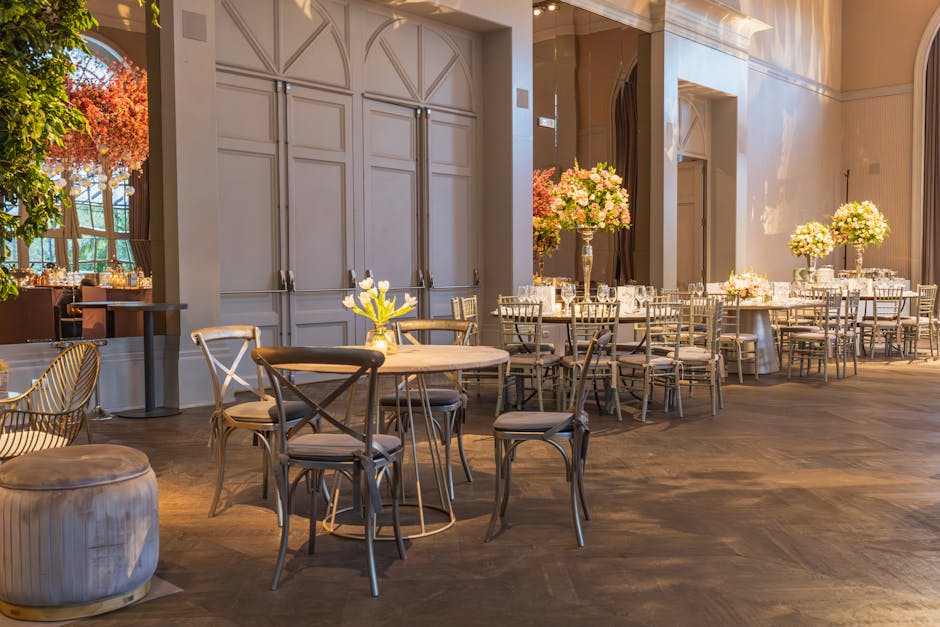
A heritage-style function room hosts an evening reception with seated dining, drinks service, and a short after-dinner performance. The room includes carpeted areas, upholstered seating, polished surfaces, and a narrow service corridor. By the time guests leave, the visible issues are light enough to miss at first glance: a few drink marks near the bar, confetti near the entrance, fingerprints on glass, and some debris under the edge of the seating area.
The venue team uses a planned cleanup sequence. First, they clear waste and glass. Next, they tackle the bar zone and dining tables. Then they treat carpet spots, refresh the toilets, clean touchpoints, and finish with a detailed walk-through. Because the team already knows which areas are vulnerable, they avoid over-wetting the carpet and do not use harsh products on delicate surfaces.
By the morning, the room is back to standard. There is no lingering smell, the approach route looks presentable, and the next team can set without delay. The more interesting part? The cleanup notes also show a recurring pattern near the bar station, which helps the venue adjust future layout and reduce spill risk next time.
That is the real value of a good case study. It is not just "we cleaned it". It is "we learned something useful and made the next event easier."
For venues that host regular private functions, this kind of learning can be just as valuable as the cleaning itself. It keeps the operation sharp. Quietly, steadily, and without too much drama.
Practical Checklist
Use this checklist as a simple pre- and post-event guide.
- Confirm event type, guest count, and service style
- Map all spaces to be used, including back-of-house areas
- Protect fragile surfaces and mark restricted zones
- Prepare waste bags, cloths, spot treatment, and inspection tools
- Brief staff on spill response and escalation points
- Clear waste and glass first after guests leave
- Clean high-touch surfaces, toilets, and guest-facing areas
- Spot-treat carpet and upholstery as needed
- Check corners, edges, under furniture, and service routes
- Document any damage, residue, or repeat problem areas
- Complete a final room walk-through before sign-off
If you only remember one thing, remember this: the last inspection is where standards are won or lost. It does not take long, but it catches what tired eyes usually miss.
Conclusion
A Kensington Palace event cleanup case study for venues is really a lesson in disciplined hospitality. Good cleanup is about timing, awareness, and respect for the space. It protects surfaces, supports turnaround, and gives the venue a calm, polished finish even after a lively evening. That is what guests notice, and what managers quietly rely on.
Whether you oversee a heritage venue, a private event space, or a Kensington property with regular bookings, the same principle applies: plan the reset as carefully as the event itself. Do that well, and the whole operation feels lighter. Less scrambling, less wear, better outcomes. Simple in theory, a bit less simple at 1 a.m., but absolutely doable.
If you are reviewing your next booking cycle, now is a good time to compare service options, tighten the handover process, and build a cleaner standard for the next event. The difference shows up fast.
Get a free quote today and see how much you can save.
Frequently Asked Questions
What does a Kensington Palace event cleanup case study for venues actually cover?
It covers how a venue manages the cleanup process after an event, including waste removal, surface cleaning, spot treatment, room reset, inspection, and handover planning. The point is to show what works in a high-standard venue setting.
Why is event cleanup different from regular venue cleaning?
Event cleanup is usually more urgent, more varied, and more detail-heavy. You may be dealing with temporary decor, catering residue, glassware, carpet marks, and multiple rooms at once. Regular cleaning tends to be more predictable.
How soon should cleanup start after an event ends?
Ideally, cleanup begins as soon as guests leave or as the venue's event schedule allows. The earlier the response to spills and waste, the easier it is to restore the room without extra labour later.
What areas are most commonly missed after events?
Service corridors, under furniture, skirting boards, cloakrooms, back entrances, and toilet touchpoints are often missed. These spaces are easy to overlook when everyone is focused on the main room.
Can venue staff handle cleanup in-house?
Yes, for smaller events or familiar spaces. But larger or late-finish events often benefit from specialist support, especially where carpets, upholstery, or premium finishes need careful handling.
Is carpet spot treatment safe after an event?
Usually, yes, if the correct method and suitable products are used. The key is to act quickly and use the right approach for the fibre and stain type. Rushing with the wrong product can make things worse.
How do you avoid damage to historic interiors during cleanup?
Use gentle methods, low-moisture techniques where appropriate, and staff who understand delicate materials. A heritage space should never be treated like a standard hall. Care matters a great deal here.
What should a venue include in its cleanup brief?
The brief should cover event type, guest count, rooms used, catering details, known risk areas, access instructions, timing, and any restrictions on products or equipment. A good brief saves time and reduces confusion.
How do venue teams track repeat problem areas?
They use simple notes or checklists after each event. If the same area keeps showing marks, spills, or wear, the team can change layout, protection, or staffing the next time around.
What's the best way to compare cleanup service options?
Look at response time, experience with similar venues, insurance and safety information, pricing clarity, and how well the provider explains their process. The cheapest option is not always the most practical one.
Do venue cleanup services help with compliance?
They can help support safe working practices, access control, and consistent procedures, but the venue still needs its own internal responsibilities in place. Good providers should work within your site rules, not around them.
Where should I start if I want a better event cleanup process?
Start with a short site audit: what gets dirty most often, which areas take longest to reset, and where handover delays happen. Then build a checklist and choose support that matches the reality of your venue, not an ideal version of it.
For more context on local venue planning and related service support, it can also help to explore a local take on living in Kensington, or the practical guide to end-of-tenancy cleaning on Kensington High Street if you manage properties alongside events. Small details, but they add up.
And if you need help understanding service scope before booking, the pricing and quotes page is a sensible next step.
In the end, a clean venue is not just a clean room. It is confidence, continuity, and a quiet sign that the place is being looked after properly. That counts for a lot.