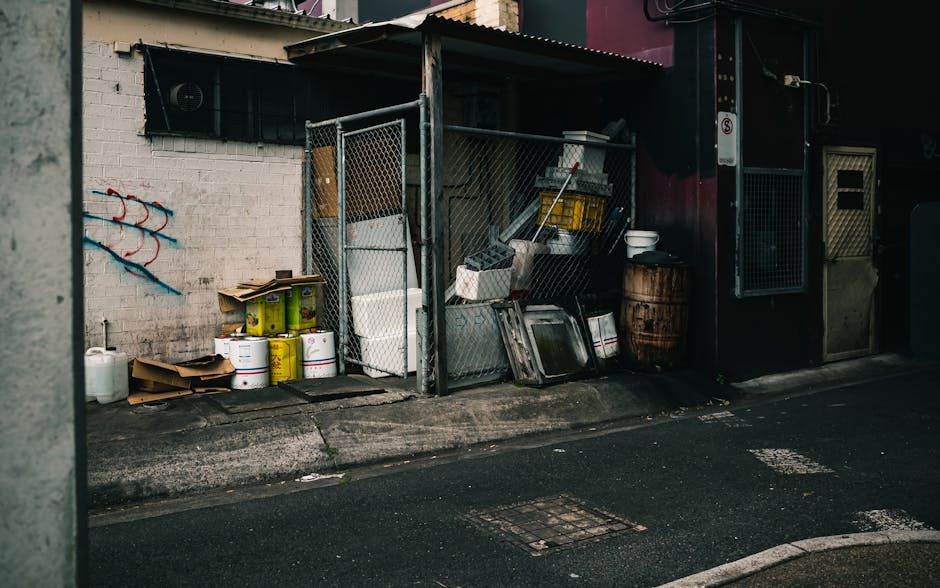
What to know about council rules for bulky waste in Kensington
If you have an old sofa by the hall, a broken wardrobe in the spare room, or a mattress that has been leaning against the wall for far too long, you are probably wondering how bulky waste is actually handled in Kensington. The short answer: there are rules, timing matters, and the details can save you time, money, and a fair bit of hassle.
This guide explains what to know about council rules for bulky waste in Kensington in plain English. You will learn how bulky items are usually classed, what residents should check before arranging collection, where the common trip-ups happen, and how to choose the best disposal route for your situation. Let's face it, nobody wants a sofa on the pavement longer than necessary.
Whether you are clearing a flat after a move, refreshing a family home, or dealing with one awkward item that just will not fit through the stairwell, the aim here is to give you practical, local, and trustworthy guidance without the jargon.
Table of Contents
- Why council bulky waste rules matter in Kensington
- How bulky waste collections usually work
- Key benefits and practical advantages
- Who this is for and when it makes sense
- Step-by-step guidance
- Expert tips for better results
- Common mistakes to avoid
- Tools, resources and recommendations
- Law, compliance, standards, or best practice
- Options, methods, or comparison table
- Case study or real-world example
- Practical checklist
- Conclusion
- Frequently asked questions
Why council rules for bulky waste in Kensington matter
Bulky waste is not the same as everyday rubbish. A few bags of kitchen waste can go out on a normal collection day, but a bed base, set of drawers, large rug, or office chair is a different story. Councils usually treat these items separately because they need more handling, more vehicle space, and careful scheduling.
In Kensington, that matters for three reasons. First, the area is dense and access can be tight. Narrow streets, basement flats, porters' areas, and controlled parking zones can make a bad plan even worse. Second, if bulky items are left outside incorrectly, they can become a nuisance very quickly. Third, councils and landlords alike tend to care about keeping communal areas clear and presentable. You will notice this especially in mansion blocks and converted townhouses, where one abandoned mattress can make the whole entrance look neglected.
There is also the question of responsibility. If you are a tenant, landlord, managing agent, or homeowner, you need to be clear on who arranges collection and who pays. That might sound obvious, but in practice it often gets fuzzy during a move-out. People assume someone else has booked it, and then the items sit there. Not ideal.
If you are also dealing with post-clearout cleaning, it can help to look at related local guidance such as end of tenancy cleaning in Kensington or broader support through the services overview if you are trying to get a property back into shape quickly.
How council bulky waste collections usually work
While the exact process can vary, bulky waste collection generally follows the same broad pattern. You identify what needs to go, check whether it is accepted, book a collection if required, and place the items out in the way the council asks. Simple enough in theory. In real life, the tricky part is usually the item list and the access arrangement.
Most councils will expect bulky items to be:
- large enough that they cannot be collected with ordinary household waste;
- safe for collection crews to move without special equipment;
- presented at the correct time and in the correct place;
- free from loose hazards such as glass shards, needles, or leaking fluids.
In Kensington, residents should be especially careful about where items are left. Communal hallways, shared gardens, and footways can all cause problems if something blocks access. The item may be collectable, but the location may still create an issue.
Another thing people often miss: not every bulky item is accepted in the same way. Some items may need a separate arrangement because of their size, weight, or material. White goods, mattresses, and large furniture are often the classic examples, but the exact rules can differ, so always check before you leave a pile outside and hope for the best. Hope is not a strategy, as they say.
If you are in the middle of clearing a home and want a cleaner handover once the bulky items are gone, a service such as house cleaning in Kensington or domestic cleaning in Kensington can be a sensible next step.
Key benefits and practical advantages
Following the council rules properly is not just about avoiding a fine or complaint. It can actually make the whole process smoother and less stressful.
- Less clutter, faster - once bulky items are dealt with, the rest of the room suddenly feels manageable again.
- Better compliance - you reduce the risk of leaving waste in the wrong place or at the wrong time.
- Safer access - hallways, front steps, and shared entrances stay clear for neighbours and visitors.
- Cleaner property handovers - especially useful when you are selling, letting, or moving out.
- Fewer last-minute surprises - a clear plan avoids the classic "we thought the other person arranged it" moment.
There is also a practical money angle. If you know what can be collected, what needs moving separately, and what should be reused or donated, you can reduce waste and sometimes reduce the overall cost of clearance. For landlords, that can mean a more efficient turnaround. For homeowners, it means less time staring at a pile of things you no longer need.
For people preparing a property for the market, pairing clearance with a thoughtful refresh can help. Articles like how to sell homes in Kensington and smart investing in Kensington properties are useful if your bulky waste clearance is part of a wider property decision.
Who this is for and when it makes sense
This topic is relevant to more people than you might think. It is not only for people with a garage full of broken furniture. In Kensington, bulky waste planning tends to matter to:
- tenants moving out of flats or maisonettes;
- landlords needing a clean reset between occupants;
- homeowners replacing furniture or clearing unused rooms;
- estate agents and managing agents handling end-of-occupancy issues;
- small businesses that need to remove old office furniture;
- families doing a seasonal declutter or post-renovation clear-out.
It makes sense to think about bulky waste rules when you are changing furniture, renovating, clearing after a bereavement, or emptying a property for sale or rent. You may also need it after a delivery goes wrong and the packaging or damaged item is too large for normal bins. That happens more often than people admit.
If the job is tied to cleaning or a full property reset, you may want to coordinate with end of tenancy cleaning or, for general upkeep, office cleaning in Kensington if you are managing commercial premises with old desks and chairs to remove.
Step-by-step guidance
Here is a practical way to approach bulky waste in Kensington without making it more complicated than it needs to be.
- List every item
Walk through the property and write down exactly what needs to go. Be specific. "Old furniture" is too vague; "two-bed mattress, pine chest of drawers, broken desk chair" is much better. - Separate normal waste from bulky items
Bagged rubbish, recycling, and bulky pieces should be handled differently. It saves confusion on the day and helps you avoid leaving the wrong materials out. - Check whether any item needs special handling
Things like electricals, heavy items, or items with sharp edges may not be treated like ordinary furniture. If in doubt, assume it needs checking. - Measure access
Look at stairs, lifts, door widths, and parking restrictions. In a lot of Kensington properties, the item is not the problem. The staircase is. - Decide on the best route
Compare council collection, private clearance, reuse, donation, or moving the item yourself. Choose the route that fits your timing and budget. - Book early if timing matters
Move-outs and refurbishments often happen under pressure. If you leave the booking too late, you may end up with waste still on-site when keys are handed over. - Present items correctly
Follow the collection instructions carefully. Keep access clear, avoid blocking entrances, and make sure nothing unsafe is included. - Confirm completion
After collection, check that everything listed is actually gone. Small leftovers have a habit of hiding behind radiators or under stairs.
A good rule of thumb? Plan the clearance before you plan the celebratory coffee afterward. Much less stress that way.
Expert tips for better results
In our experience, the most efficient bulky waste jobs are the ones that feel almost boringly organised. That is a compliment. Boring is good when you are avoiding missed collections and awkward tenant disputes.
1. Group items by room
Keep things from the bedroom together, furniture from the living room together, and so on. This makes it easier to check whether anything was missed. It also helps if you later decide to reuse, donate, or sell some items.
2. Photograph items before they go
A quick phone photo can be useful for inventory, landlord records, or agent communication. Nothing fancy. Just enough to show what was there and what was removed.
3. Think about the surface underneath
Once a heavy item is removed, you may notice stains, dents, dust, or carpet marks. That is normal. The moment a sofa moves, the hidden bits appear. A follow-up clean can make the property feel properly finished. For soft furnishings and floor refreshes, carpet cleaning in Kensington and upholstery cleaning in Kensington can be worth considering.
4. Keep neighbours in mind
Some blocks are busier than they look. If you are placing items in a shared area, timing matters. Early morning collections can be less disruptive, though of course you need to follow the local instructions rather than improvise.
5. Use the "one extra check" habit
Before collection day, do one final walk-through of the property, the hallway, and the outside area. That extra check often catches the stray lamp base or broken shelf that everyone assumed had already gone.
Common mistakes to avoid
A lot of bulky waste problems are completely avoidable. The same mistakes come up again and again.
- Leaving items out too early - this can create obstruction, complaints, or even missed collection windows.
- Mixing prohibited materials with furniture - a mattress is not the place for broken glass or loose renovation debris.
- Assuming all large items are accepted - "bulky" does not automatically mean "collectable in any form."
- Forgetting access constraints - tight turns, locked gates, and parked cars can derail the best-laid plan.
- Not clarifying responsibility - tenants and landlords can end up in a circular conversation nobody enjoys.
- Ignoring final cleaning needs - once the waste is gone, the mess underneath still needs attention.
One particularly common slip: people book a move-out clean first and the bulky items go the day after. That is backwards. Clean after the big items are out, not before. Otherwise you are just cleaning around chaos. Bit of a waste, really.
Tools, resources and recommendations
You do not need complicated equipment to manage bulky waste well. A few simple tools and habits go a long way.
- Phone camera - for item photos, access notes, and proof of condition.
- Measuring tape - useful for checking whether items can be moved through stairwells or lifts.
- Marker labels - handy if you are separating items for collection, reuse, or donation.
- Room-by-room list - keep it on paper or in your notes app.
- Rubbish sacks and basic protective gloves - only for safe handling of light debris, not sharp or hazardous waste.
For a property-level clean-up, a coordinated service plan can help. If you are setting up a new routine after clearance, house cleaning in Kensington can support ongoing upkeep, while office cleaning is useful for workplaces that have outgrown old furniture or need a reset.
If you are comparing services, pricing, or payment details, it is sensible to review pricing and quotes and the information on payment and security. It sounds boring, but it helps avoid confusion later.
Law, compliance, standards, or best practice
Bulky waste sits within broader waste-handling expectations in the UK, so the main principle is simple: do not dispose of items in a way that causes danger, obstruction, or a mess for others. Councils set collection rules to keep streets safe, reduce fly-tipping, and make sure waste is handled properly.
Best practice usually includes:
- checking current local instructions before booking;
- separating bulky items from ordinary household waste;
- avoiding unsafe materials or contaminated items unless specifically accepted;
- placing items out only when instructed;
- keeping shared pathways and entrances free.
For landlords and managing agents, there is an added duty of care in practice, even where the legal detail can vary by situation. If a property is left with waste in communal areas, it can affect tenant relationships, building access, and the general standard of the handover. That is why many landlords build bulky waste clearance into their move-out schedule alongside cleaning and inspection. If you want more context on post-tenancy property presentation, the guide on Kensington High Street end of tenancy cleaning for landlords is a useful related read.
Where health and safety is concerned, the rule of thumb is cautious handling. Heavy lifting, sharps, dusty items, and damaged furniture can all create avoidable risks. If a job feels awkward, do not wrestle it down the stairs like a film scene. Ask for the safer option.
Options, methods, or comparison table
Not every bulky waste problem needs the same solution. The right route depends on urgency, item condition, access, and budget. Here is a simple comparison.
| Option | Best for | Pros | Watch out for |
|---|---|---|---|
| Council bulky waste collection | Standard household items and planned clear-outs | Usually straightforward, local, and convenient | May have booking rules, item limits, or timing restrictions |
| Private clearance service | Urgent removals, awkward access, multiple items | More flexible and often quicker | Can cost more and needs careful vetting |
| Reuse or donation | Usable furniture and good-condition items | Reduces waste and keeps items in circulation | Not suitable for damaged, dirty, or unsafe pieces |
| Self-transport to a facility | Smaller bulky loads and people with access to a vehicle | Can be efficient for some jobs | Time, lifting, parking, and loading all fall on you |
To be fair, most residents end up choosing a mix. One mattress might go one way, a usable chair another, and the broken wardrobe a third. That is normal. It is not messy planning; it is just practical reality.
Case study or real-world example
A typical Kensington scenario looks like this. A tenant in a third-floor flat is moving out at the end of the month. They have a bed frame, a broken bedside table, two office chairs, and a rug that has seen better days. The hallway is narrow, the building has shared access, and the landlord wants the flat cleaned and ready for viewing the next morning.
The sensible approach is to sort items into three groups. First, the items that can go via bulky waste collection. Second, the items that should be kept for resale or donation because they are still usable. Third, the pieces that need special attention because they are damaged or awkward to move. Once that is done, the collection day is planned before the clean, not after.
That one decision saves time. The bulky items leave, the carpet can be cleaned properly, the walls are easy to inspect, and the property feels ready instead of half-finished. It sounds small, but that sequence makes a huge difference, especially when daylight is fading and everyone is trying to hand over keys by early evening.
In a case like that, it can also be useful to pair clearance with a post-move clean such as same day carpet cleaning in W8 Kensington if the property needs a quick turnaround and the schedule is tight. Small detail, big payoff.
Practical checklist
Use this checklist before you arrange bulky waste collection in Kensington.
- Confirm which items are bulky and which are normal waste.
- Check whether any item needs special handling.
- Measure access routes, stairs, and doorways.
- Agree who is responsible for booking and payment.
- Take photos of the items before they are removed.
- Keep communal areas, entrances, and pavements clear.
- Book the collection early enough for your move-out or project deadline.
- Separate reusable items from damaged waste.
- Plan follow-up cleaning after the bulky items are gone.
- Do a final sweep to make sure nothing has been left behind.
Expert summary: the smoothest bulky waste jobs are the ones planned around access, timing, and responsibility. If you get those three right, the rest becomes much easier.
Conclusion
What to know about council rules for bulky waste in Kensington really comes down to preparation, correct handling, and timing. If you identify the items clearly, check the collection rules, respect access constraints, and line up cleaning or property handover work afterwards, the whole job becomes simpler than it first looks.
That is especially true in Kensington, where homes are often compact, access can be tricky, and people are usually juggling tight schedules. A little planning goes a long way. And once the clutter is gone, the room often feels lighter in a way you can almost hear. Quiet. Clean. Sorted.
If your bulky waste clear-out is part of a larger reset, it can help to review related pages such as about us, insurance and safety, and terms and conditions so you know how the wider service process works.
Get a free quote today and see how much you can save.
When the unwanted stuff finally leaves, the space tends to feel a bit kinder straight away. That is the nice part, really.
Frequently Asked Questions
What counts as bulky waste in Kensington?
Bulky waste usually means household items that are too large or awkward for normal bin collections, such as sofas, beds, wardrobes, mattresses, and large chairs. The exact acceptance rules can vary, so always check before booking.
Can I leave bulky items outside my property for collection?
Only if the council instructions say to do so and only at the correct time. Leaving items out too early can create obstruction, complaints, or missed collections, especially in shared buildings.
Do I need to book bulky waste collection in advance?
In most cases, yes. Advance booking is common because bulky collections often need scheduling, vehicle planning, and specific item checks. Leaving it until the last minute is where problems start.
Are all large items accepted?
No. Some items may require different handling depending on material, weight, or condition. Items with sharp edges, liquids, or special waste characteristics may not be accepted in the same way as ordinary furniture.
Who pays for bulky waste removal, the tenant or landlord?
That depends on the situation and any tenancy agreement, move-out condition, or separate arrangement between the parties. It is best to agree responsibility early, before the items are sitting in the hallway.
What happens if I miss the collection day?
If you miss the collection day or present the items incorrectly, you may need to rebook. That can delay a move-out or property handover, so it is worth double-checking the time and location beforehand.
Can I recycle or donate bulky items instead?
Yes, if the items are still in usable condition. Reuse and donation can be a sensible option for furniture and appliances that are clean, safe, and functional. Damaged or heavily worn items are usually better handled as waste.
How should I prepare a flat for bulky waste collection?
Clear a route to the item, measure tight spaces, separate reusable items, and keep the access area free. If there is a post-move clean planned, schedule it after the bulky items are removed, not before.
Is bulky waste collection suitable for office furniture?
It can be, depending on the items and local rules. Desks, office chairs, filing cabinets, and similar items often need a plan that considers building access and timing, especially in small offices or mixed-use properties.
What if my bulky item is too large to move safely?
Do not force it. That is where damage and injury happen. If the item is too heavy or awkward, choose a safer removal method and make sure the access route is assessed properly first.
Should I clean before or after bulky waste is removed?
After, ideally. Once the large items are gone, you can clean the floor, skirting, and surrounding area properly. Cleaning first usually just means doing the job twice.
Where can I find more local help for Kensington property clear-outs?
Related guides on moving, home presentation, and cleaning can help you plan the wider job. If your bulky waste removal is part of a move, a sale, or a deep clean, it is worth reading the nearby service and blog pages linked throughout this article.