Affordable oven cleaning quotes for Kensington businesses
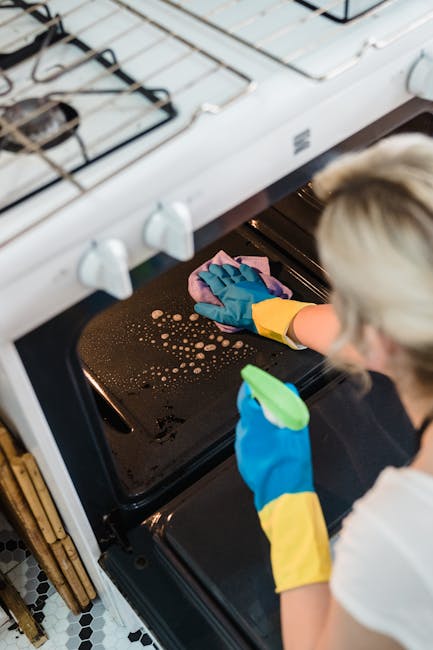
If you run a cafe, bistro, hotel kitchen, pub, catering unit, or staff canteen in Kensington, you already know the oven is never just "another appliance". It is one of those pieces of kit that quietly takes a beating every single day. Grease builds up, burnt-on residue hardens, and before long the oven starts affecting speed, hygiene, energy use, and even the smell of the kitchen. That is why Affordable oven cleaning quotes for Kensington businesses matter so much: they help you compare options properly, control costs, and still keep standards where they should be.
This guide walks through how local oven cleaning quotes are usually put together, what affects the price, what to ask before you book, and how to spot real value rather than the cheapest headline number. We will keep it practical, because let's face it, most business owners do not have time for fluff. You need clear answers, a sensible process, and a service that fits around trading hours without making a mess of the day.
Why Affordable oven cleaning quotes for Kensington businesses Matters
In a busy part of London like Kensington, businesses tend to work in tight spaces, on tight timings, and with little room for interruption. A neglected oven is not only unpleasant to use; it can also become a hidden cost. Residue and grease make cleaning slower, temperature control less reliable, and the whole kitchen feel harder to manage. None of that is dramatic. It is just everyday reality in a working commercial kitchen.
Affordable quotes are important because "cheap" and "good value" are not always the same thing. An unrealistically low quote may leave out key tasks such as rack removal, fan cleaning, door seal attention, or the final polish. On the other hand, a solid quote should tell you exactly what is included, how long the work is expected to take, and whether the cleaner is working outside service hours or overnight.
There is also a local angle. Kensington businesses often operate in premises where access, parking, loading, and timing matter just as much as the cleaning itself. A well-structured quote should reflect that reality, not ignore it. If your oven cleaning needs to be done early morning, after close, or during a tight turnaround between bookings, those details change the job. A decent provider will ask about them up front rather than guessing.
For businesses that also manage wider cleaning schedules, it can help to think of oven cleaning as part of a bigger maintenance rhythm. Many owners bundle it mentally with routine tasks like office cleaning, kitchen hygiene, or even broader property upkeep discussed in the site's services overview. The point is simple: small, regular care usually costs less than dealing with a badly neglected oven later.
How Affordable oven cleaning quotes for Kensington businesses Works
A proper quote process usually starts with a few basic details: oven type, size, condition, access, and timing. That sounds obvious, but it is where a lot of misunderstandings begin. A single domestic-style oven in a small break room is a very different job from a double oven in a restaurant kitchen that sees constant use. The cleaner needs enough information to estimate labour, materials, and the level of soiling.
Most providers will quote in one of three ways:
- Fixed price for a clearly defined oven type and condition.
- From-price estimate for jobs where the level of build-up is uncertain.
- Site-based quote after checking the kitchen in person, usually for larger or more complex premises.
The best quotes do not just say a number. They explain what the cleaner will do, what they will not do, and whether extra charges could apply. For example, heavily carbonised ovens, inaccessible units, extractor contamination, or extremely tight out-of-hours access may change the final cost. That is not a red flag by itself. It is just honest quoting.
If your business is comparing cleaning services more broadly, you may also find it useful to review how other services are described and priced on pricing and quotes. A transparent pricing page tends to give you a better feel for what a company considers standard, optional, or bespoke.
One small but useful thing: ask whether the quote includes protective mats, oven-safe chemicals, dismantling of removable parts, and a wipe-down of adjacent surfaces. Those little details are often what separate a cursory clean from a proper one. And yes, that last ten percent matters. Usually more than people expect.
Key Benefits and Practical Advantages
Affordable does not mean stripped back to the bone. Done properly, it means getting the right result without paying for unnecessary extras. That is the sweet spot most businesses are after.
1. Better budget control
When you know the likely price range in advance, you can plan around it. That matters for small hospitality businesses especially, where every service visit has to earn its place. A clear quote helps you choose the right timing and frequency.
2. Reduced disruption
Professional oven cleaners usually work in a way that minimises downtime. In a cafe or restaurant, that can mean early arrivals, late finishes, or a scheduled slot between service periods. You do not want the place smelling of degreaser just as breakfast begins, obviously.
3. Better hygiene outcomes
Oven build-up is stubborn. Grease, sugar spills, and food residue can cling to internal surfaces, trays, and seals. A thorough cleaning improves the feel of the kitchen and helps staff work more confidently.
4. A more professional impression
If managers, landlords, inspectors, or clients ever see behind the scenes, a clean oven says something about standards. Quietly, but clearly. It helps reinforce the impression that your business pays attention to detail.
5. Longer equipment life
While no one can promise a specific lifespan gain, sensible maintenance usually reduces the stress on equipment. Less residue means the oven is easier to inspect, easier to use, and less likely to suffer from avoidable grime-related issues.
If your business also handles upholstered waiting areas, dining chairs, or reception seating, it may make sense to coordinate oven cleaning with other services like upholstery cleaning in Kensington or even carpet cleaning in Kensington so your premises are tackled as a whole rather than piecemeal. It is often the calmer way to do it.
Who This Is For and When It Makes Sense
Not every business needs the same oven-cleaning schedule. A quiet office kitchen with a small microwave and one oven has very different needs from a kitchen that produces lunch service for forty people a day. That said, there are several business types in Kensington where affordable oven cleaning quotes are especially useful.
- Cafes and coffee shops with regular food prep and visible customer-facing standards.
- Restaurants and bistros where ovens work hard and soiling builds quickly.
- Hotels and serviced accommodation kitchens that need dependable turnaround between guests or functions.
- Catering companies that want equipment ready for the next booking without last-minute panic.
- Schools, offices, and staff kitchens where hygiene and presentation still matter, even if the pace is steadier.
- Venues and event spaces that need pre- or post-event cleaning as part of a wider reset.
When does it make sense to request a quote? Usually when you notice one of these signs:
- burnt odours linger after cooking
- doors, trays, or seals look greasy despite daily wipe-downs
- cleaning staff are spending too long trying to shift hardened residue
- you are preparing for a venue inspection, audit, or handover
- the oven has been used heavily during a busy seasonal period
A real-world example: a small Kensington cafe might manage daily surface cleaning easily but still struggle with an oven that only gets attention once a month. The quote becomes relevant when that monthly task starts taking too long for in-house staff. Then it stops being a "nice to have" and turns into a sensible time-saver. Truth be told, that is often when people call.
Step-by-Step Guidance
If you want a quote that actually helps you compare providers, use a simple process. No need to overcomplicate it.
- Identify the oven type and use level. Note whether it is single, double, range-style, commercial combi-style, or a smaller back-of-house unit.
- Check the visible condition. Look for grease, carbon build-up, burnt spills, and any areas that seem awkward to access.
- Decide what needs cleaning. Is it just the main oven, or also racks, trays, glass doors, seals, and surrounding surfaces?
- Think about timing. Early morning, after closing, or weekend work may affect the price and availability.
- Ask for inclusions in writing. A quote should be clear enough that you can compare like with like.
- Check whether the cleaner is insured and follows safety procedures. That is not a nice extra. It is basic due diligence.
- Confirm final access details. Loading bays, stair access, alarms, staff entry, and parking can all matter.
You can also ask whether the provider offers related cleaning support so you can combine appointments efficiently. For example, if your business is also dealing with fabric seating, you might compare the timing with house cleaning in Kensington or broader deep-clean scheduling depending on your premises. The exact service line matters less than the practical plan: one visit, less disruption, better coordination.
One useful habit is to keep a simple record of each quote: who priced it, what was included, when the job can happen, and whether there are any extras. It sounds a bit admin-heavy, but after two or three quotes it becomes very easy to see which one is genuinely affordable and which one is just slim on detail.
Expert Tips for Better Results
Here are the bits that often make a big difference but rarely get enough attention in a rushed buying decision.
- Be specific about the oven's condition. "Needs cleaning" is too vague. "Heavy grease, glass haze, and racks coated after service" is much better.
- Ask how the cleaner handles removable parts. A proper clean usually includes those parts, not just the cavity.
- Check for service windows. If your team starts early or finishes late, choose a cleaner who can work around that without fuss.
- Request a no-surprises quote. Hidden charges are the fastest way to turn affordable into annoying.
- Bundle strategically. If you already need kitchen, flooring, or upholstery work, combining jobs may be more efficient than booking them separately.
Another practical tip: ask what products are used and whether they are suitable for the surfaces in your oven. In commercial spaces, the wrong chemical can do more harm than good, especially around glass, seals, or coated finishes. A good provider should be able to explain the process in plain English, without sounding like they are reciting a brochure.
And one more thing, slightly mundane but important: before the cleaner arrives, clear the area around the oven. It saves time, and time is money. That little tidy-up can knock minutes off the visit and avoid awkward pauses where everyone pretends not to notice the flour bag on the floor.
Common Mistakes to Avoid
Most problems with oven cleaning quotes come from one of a handful of avoidable mistakes. The good news? They are easy to sidestep once you know what to look for.
- Choosing only on price. The cheapest quote is not always the best value if it excludes half the job.
- Not defining the scope. If no one agrees on what is being cleaned, the result is often disappointment on both sides.
- Forgetting access issues. A quote can look fine until someone realises the lift is out, the loading area is restricted, or the job must happen at a very specific time.
- Assuming all ovens are the same. They are not. The difference between light domestic-style use and heavy commercial cooking is huge.
- Ignoring maintenance frequency. A badly neglected oven will usually cost more to clean than one maintained on a sensible cycle.
- Skipping proof of insurance or safety procedures. If cleaning is happening inside an active business, that matters.
A common trap is to compare a one-line price against a properly detailed quote and treat them as equal. They are not equal, even if the number looks attractive. It is a bit like comparing a pint and a half-pint and acting surprised when they are not the same. Happens all the time.
Tools, Resources and Recommendations
You do not need special software to request oven cleaning quotes, but a few simple tools can help you keep the process tidy and efficient.
- A short site checklist covering oven size, condition, access, and preferred timings.
- Photos of the oven interior, racks, doors, and surrounding area so the cleaner can assess the job more accurately.
- A calendar note showing the best windows for service without disrupting trading.
- A comparison sheet for quoting details, inclusions, exclusions, and any possible extras.
- Basic records of cleaning dates so you can work out the right repeat interval later on.
If your business is expanding or changing use, broader planning can help too. Kensington premises often evolve quickly: a quiet retail unit becomes a pop-up cafe, a residence becomes a guest-facing rental, or a venue starts hosting more events than it used to. Those shifts change cleaning needs. It can be useful to read related local content such as the Kensington Palace event cleanup case study for venues or the Gloucester Road flat post-renovation deep clean guide to see how intensive cleaning is often managed alongside other operational pressures.
For businesses with tenants or occupancy changes, you may also find value in end of tenancy cleaning in Kensington or the Kensington High Street end of tenancy cleaning guide for landlords, especially where kitchen condition affects handover standards. Different context, yes, but the same principle of clear, affordable quoting applies.
Law, Compliance, Standards, or Best Practice
Oven cleaning in a business environment is not just about appearance. It sits inside a wider duty to keep premises clean, safe, and well managed. The exact obligations depend on the type of business, how food is prepared, and what inspections or internal standards apply. Rather than pretending there is one rule for everyone, it is better to treat this as a best-practice issue that should be aligned with your own operational and hygiene responsibilities.
In practical terms, that means you should be comfortable asking a supplier about:
- their insurance and safety arrangements
- how they work around active trading spaces
- which products and methods they use
- how they reduce slip hazards, fumes, or avoidable mess
- what they do if they discover damage or an unusually dirty appliance
It is also sensible to keep an eye on internal record-keeping. If your business already maintains maintenance logs, cleaning schedules, or handover notes, oven cleaning should sit neatly within that system. Small businesses sometimes skip this because it feels like admin, but later on they are grateful they did not.
For trust and transparency, it can help to review the company's policies before you commit. Pages like health and safety policy, insurance and safety, terms and conditions, and privacy policy show how seriously the provider handles the basics. You are not being fussy by checking them. You are being sensible.
Options, Methods, or Comparison Table
When reviewing oven cleaning quotes, it helps to compare methods rather than just prices. Different approaches suit different premises.
| Method | Best for | Pros | Watch-outs |
|---|---|---|---|
| Basic wipe-down service | Light-use staff kitchens or low-soiling ovens | Quick, budget-friendly, minimal disruption | May not remove baked-on residue or deep grease |
| Deep manual clean | Most small to mid-size business ovens | Better for racks, doors, seals, and built-up grime | Takes longer; quote should reflect condition properly |
| Commercial-grade restorative clean | Heavily used kitchen equipment | Suitable for more demanding jobs and tougher build-up | Can cost more; final price depends on access and soil level |
| Scheduled maintenance clean | Businesses wanting predictable upkeep | Helps control cost and prevents heavy build-up | Requires consistency, which some teams forget during busy periods |
For many Kensington businesses, the sweet spot is a scheduled deep clean rather than waiting until the oven is visibly struggling. That usually keeps cost and disruption more manageable. And if your business also runs other regular cleaning tasks, a broader plan like domestic cleaning in Kensington may be useful for smaller premises or mixed-use spaces where the line between home and work can blur a little.
Case Study or Real-World Example
Here is a realistic scenario, based on the kind of situation many local businesses face.
A small Kensington cafe had one main oven used throughout the day for pastries, sides, and staff food. The team kept it wiped down, but over time the glass darkened, the trays developed sticky residue, and the whole thing started to look tired. The manager asked for two quotes. One was cheaper on paper. The other was slightly higher but listed the racks, glass, internal panels, and surrounding wipe-down, plus a clear early-morning slot before opening.
The cheaper option turned out to be vague about what was included. The more detailed quote felt better because it answered the actual problem: the oven needed proper attention without interrupting service. The manager chose the clearer option, booked a quiet slot, and the kitchen looked sharper afterward. More importantly, staff stopped fighting with the grime every morning. That is a small win, but in a busy cafe it matters.
What stands out in cases like this is not just the cleaning result. It is the decision-making process. The best quote was not the one with the flashiest number. It was the one that made the job feel manageable, honest, and easy to schedule. That is what affordable should mean in practice.
Practical Checklist
Use this quick checklist before you approve an oven cleaning quote for your Kensington business.
- Have I described the oven type accurately?
- Have I explained how heavily it is used?
- Did I mention access, parking, and preferred timing?
- Does the quote clearly list what is included?
- Have I checked for possible extras or exclusions?
- Do I know whether the cleaner is insured and safety-aware?
- Can the work happen without disrupting trading?
- Have I compared at least two quotes on the same basis?
- Do I understand whether this is a one-off or recurring clean?
- Have I kept a record for future comparison?
Expert summary: the most affordable quote is usually the one that is detailed, realistic, and easy to schedule. If it avoids surprises, covers the right scope, and fits your business rhythm, it is probably good value. If it sounds too neat to be true, it often is.
Get a free quote today and see how much you can save.
Conclusion
Affordable oven cleaning quotes for Kensington businesses are not just about shaving pounds off a bill. They are about choosing a service that protects standards, keeps the kitchen running smoothly, and helps you plan with confidence. In a busy local market, that kind of clarity is worth quite a lot.
When you compare quotes properly, ask better questions, and pay attention to what is included, you make a calmer decision. Less guesswork. Fewer surprises. Better outcomes. Simple, really, though not always easy when the day is already full.
If you are weighing up other cleaning needs at the same time, it can help to look at the wider picture through resources like about us, payment and security, and complaints procedure. Those pages can give you extra confidence about how a provider works before you invite them into your premises.
In the end, a clean oven does more than shine. It takes a little pressure off the whole business. And on some days, that is exactly the sort of help you want.
Frequently Asked Questions
How do I get affordable oven cleaning quotes for a Kensington business?
Give the cleaner the oven type, condition, access details, and preferred timing. The more specific you are, the more accurate the quote will be, and the easier it is to compare providers fairly.
What should a commercial oven cleaning quote include?
A good quote should explain what is being cleaned, whether racks and trays are included, how long the job may take, and whether any extra charges could apply for heavy build-up or awkward access.
Are cheap oven cleaning quotes always a bad sign?
Not always, but an unusually low quote can mean the scope is limited. If it does not include the full clean you need, it may end up costing more later or leaving the oven only partly restored.
How often should a Kensington business book oven cleaning?
That depends on how hard the oven is used. High-traffic kitchens often need more frequent cleaning than small staff kitchens. A sensible schedule is usually better than waiting until build-up becomes stubborn.
Can oven cleaning be done outside business hours?
Usually, yes. Many businesses prefer early morning, evening, or weekend visits so service is not interrupted. It is wise to confirm this before booking, as timing can affect the quote.
Do I need to prepare the kitchen before the cleaner arrives?
Yes, a little. Clearing nearby items and making access easy helps the work go faster and keeps the appointment efficient. It also reduces the chance of accidental delays.
What affects the final price most?
The biggest factors are oven size, condition, the level of grease or carbon build-up, access, and whether the job needs out-of-hours scheduling. Those details matter more than most people first expect.
Should I ask whether the provider is insured?
Absolutely. Insurance and clear safety practices are part of choosing a trustworthy cleaner, especially in a business setting where staff, stock, and equipment are all involved.
Can oven cleaning be combined with other cleaning services?
Yes, and often it makes sense. If you also need wider kitchen or premises cleaning, combining services may be more efficient than booking separate visits. It can also make scheduling simpler.
Is there a difference between domestic and business oven cleaning?
There usually is. Business ovens often see heavier use, stricter timing needs, and more complex access or hygiene expectations. That is why business quotes should be based on actual working conditions, not just appliance size.
How do I know if a quote is good value?
Compare quotes on the same basis. Look at what is included, how much disruption there will be, and whether the provider has explained any possible extras. Good value is usually the quote that is clearest, not just the lowest.
Where can I find more information about the company before booking?
Review pages such as services overview, terms and conditions, and privacy policy. They help you understand how the company works and what to expect before you commit.